

Dead Animal Removal in Wisconsin
Private-property removal · Phone quote before any visit · Independent operators where one covers your address.
WisDOT wrote a manual for the highway shoulder and the DNR wrote rules for the deer herd. Neither one covers the raccoon behind your garage. That part is yours to arrange, and this number reaches an independent operator if one is available for your address.
Who picks up dead animals in Wisconsin?
Four answers, and the road class picks which one you get. On an Interstate, US or state highway, WisDOT's Highway Maintenance Manual 07-15-01 puts a car-killed deer contractor on the shoulder and right-of-way within two business days of the report, while a carcass in the traveled lane is a 911 call; WisDOT publishes no carcass hotline of its own and sends the off-lane report to the county sheriff's non-emergency line. The same manual settles the rest in two sentences: "Counties are responsible for removing deer carcasses on county highways. Towns, villages and cities are responsible for removing deer carcasses on their local roads." Past the terrace and the curb the published answers run out. DNR tells a landowner to bury the animal or double-bag it into the trash, no Wisconsin statute hands a wild animal in a yard to any agency, and Wisconsin Dead Animal Removal exists for that last case: an independent operator, if one is available for the address. Call (414) 519-6688.
Road class first, property line second
Ask the wrong office and you get a redirect, not a pickup. Four rows cover almost every call, and each agency's own wording sits on the pages linked underneath.
| Where the animal is | Whose job it is | The published basis | What it costs you |
|---|---|---|---|
| Interstate, US or WIS highway (the state system) | WisDOT's car-killed deer contractor on the shoulder and right-of-way; 911 for a carcass in the lane | Highway Maintenance Manual 07-15-01: deer cleared "no later than two business days after receiving report"; no WisDOT hotline is published, and off-lane reports go to the county sheriff's non-emergency line | Nothing; tax-funded |
| County trunk highway (a lettered route) | The county highway department | WisDOT: "Counties are responsible for removing deer carcasses on county highways" | No fee published; not every county removes one |
| City street | The city, under its own policy | Milwaukee (414) 286-CITY; Madison Report a Problem or 608-266-4430; Kenosha Street Division 262-653-4070; Racine Customer Service 262-636-9171; each city page quotes its own | City service, as published; no city page reviewed says free |
| Your yard, driveway, deck, attic, crawl space | The property owner | No Wisconsin statute assigns it to an agency; § 95.50 covers livestock and domestic animals; DNR: bury or double-bag; § 59.54(21) lets a county remove, and none we screened does | Quoted on the call by an independent operator, if one is available |
Dead animal removal cost in Wisconsin: quoted on the call, never on this page
No operator's rate in this state has been verified here, and a range printed on a page is a promise the person who shows up never made. The number comes from four things, and you can describe all four over the phone.
| Situation | Where | What moves the price |
|---|---|---|
| Small animal outdoors | Lawn, driveway, under a deck, the terrace strip out front | Weight, how close a vehicle can get, where it goes afterward |
| Small animal indoors | Attic, soffit, chimney chase, a void someone can reach into | Tight-space work, soaked insulation and nesting to clear, the way in |
| Under a structure | Crawl space, under a porch, under a garden shed | Crawl height, whether an arm or a pole gets to it, the disposal run |
| Deer | Back lot, driveway, woodlot edge, the line of a field | Weight, terrain, vehicle access, and the disposal run, on which DNR recommends a whole carcass stay within the county or one adjacent to it |
| Smell with no visible source | Attic, crawl space, chimney, a wall cavity | The search itself. Finished walls are not opened |
- Quoted on the call
- Nothing billed by this site
- Before anyone drives out
- Independent operators
The order a call to Wisconsin Dead Animal Removal runs in
Not every one of these eight gets used. Where the animal is lying can close the call at the first.
- Where it is lying. That is the first thing asked on (414) 519-6688, and for good reason. A state highway shoulder, a lettered county trunk and a city street each belong to an agency, so the call finishes with that agency and no quote is taken.
- ZIP check. On private property, your ZIP goes against the operator list for this network. Calls route by ZIP where an operator covers the address, and if none covers yours, you hear that on the call. No crew is promised and no arrival time is given.
- Describe the job. Species if you know it, rough size if you do not. How close a person could get without moving anything, and whether anyone or any pet has already had contact.
- Scope check. A skunk under a slab, a deer inside a fenced yard, an attic with no walkboards: not every operator takes every one of those. That gets settled with the person who would come out, never by a claim on this page.
- The price, up front. What the animal is, where it lies, how close anyone can get to it and where it may legally go: those four answers make the price, and the operator names it before anyone sets out.
- Recovery. The carcass goes into a bag on site. Gloves are the rule for raccoon, skunk, bat and fox, the species most often tied to rabies in this region. Nothing finished gets cut open to reach it.
- Disposal. The carcass leaves with the operator, under whatever rule covers that species in that county. For deer, DNR's chronic wasting disease advice on moving a whole carcass is part of that.
- Payment. The invoice is the operator's, raised when the work is done. Nothing on this side of the call ever charges a homeowner.
Six animals, and a page for each
Deer, raccoon, skunk, opossum, squirrel and bird each get a page. Every one carries the road-class answer, what an operator will ask you, and the handling rule where the DNR or the Department of Health Services writes one down.
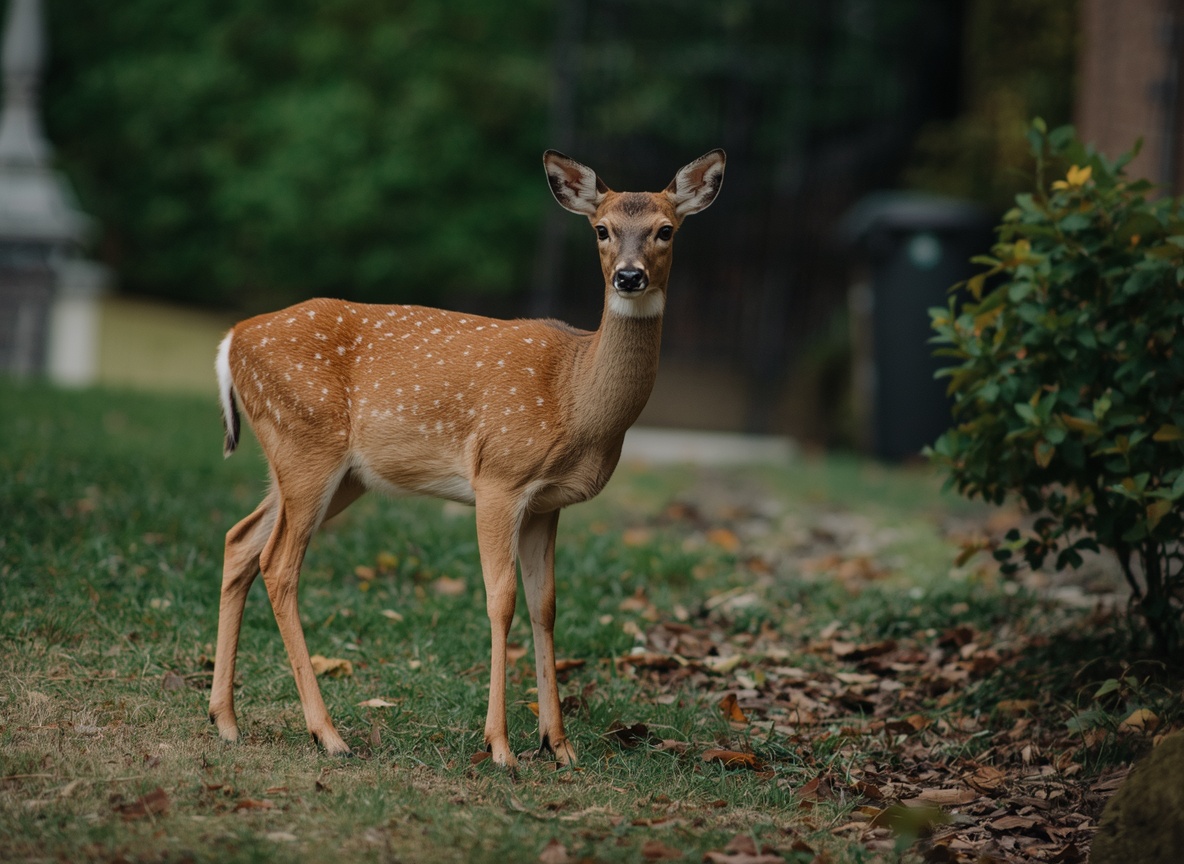
Dead Deer Removal
Two things set the deer apart. It is the only carcass in this state with a written state program behind it, and for most homeowners it is far heavier than anything else they will ever have to get moved. That program stops at the highway right-of-way. Past that line, where the deer fell is what sorts it into a sheriff's call, a county call, a city call or an operator's quote.
Read the page →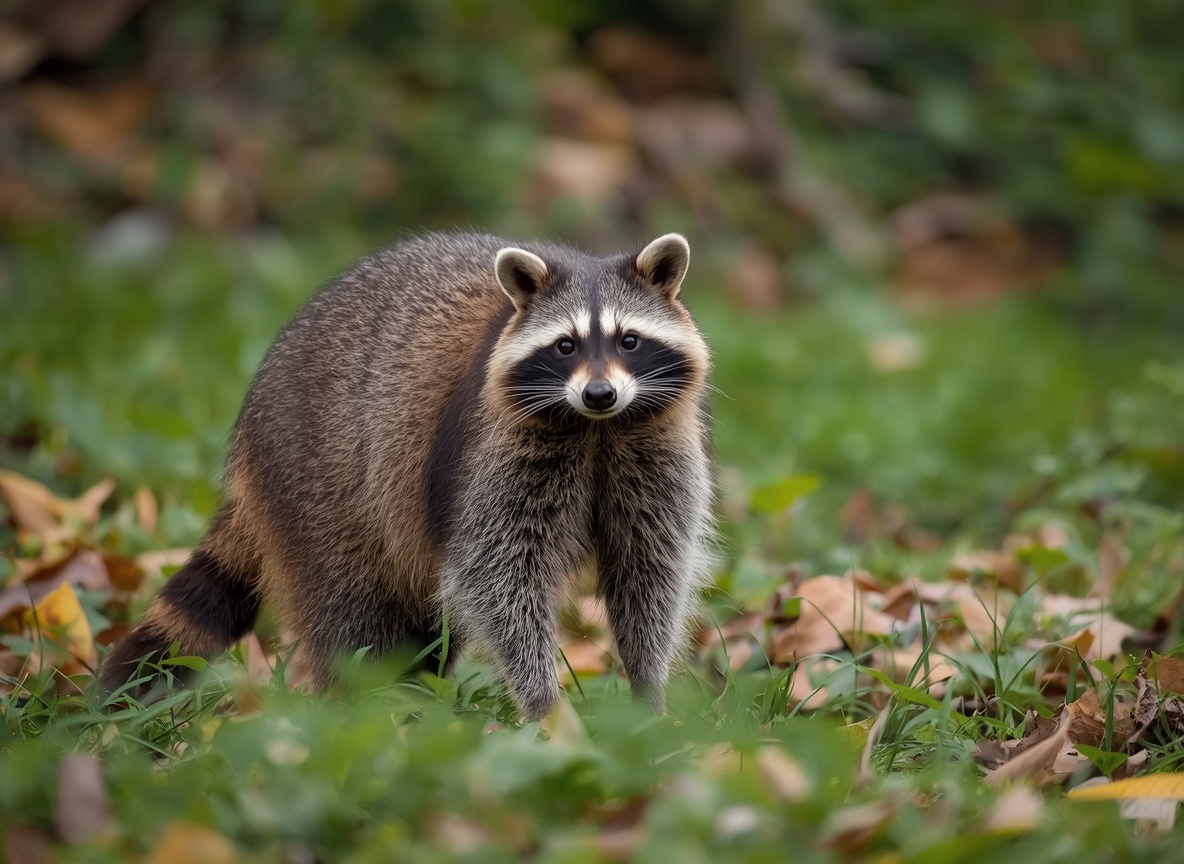
Dead Raccoon Removal
Older neighborhoods give a raccoon plenty of places to den, Milwaukee's north side and Madison's east side included, and a den is usually where one dies. Two things decide the outcome: rabies-vector handling, which applies before anything gets lifted, and the spot, since a street or terrace can be a city job, a bagged small carcass can sometimes go in the cart, and under a deck or inside a chimney it is an operator's quote.
Read the page →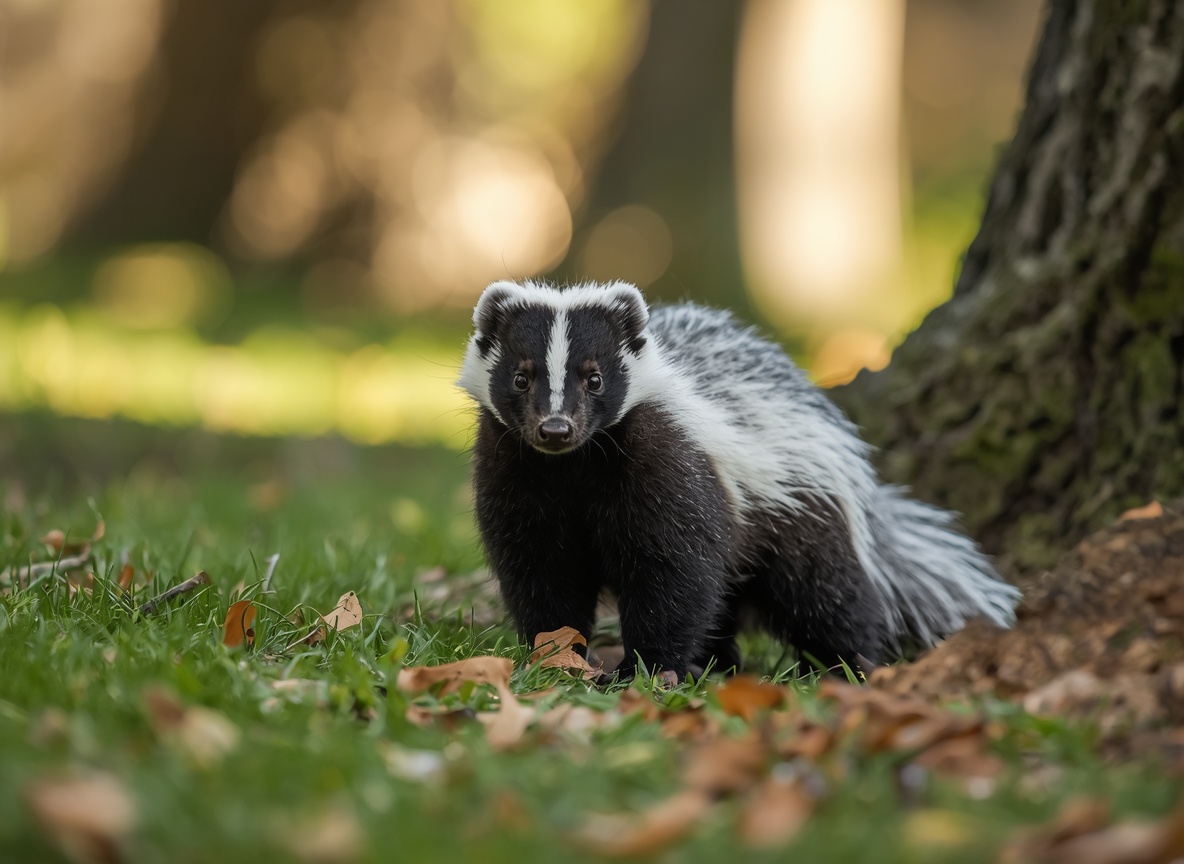
Dead Skunk Removal
Skunk carcasses turn up in the same places every year, under porches, sheds and decks and along road edges, most often when the animals move in spring. The smell is what gets people to the phone. How it should be handled is decided by the rabies risk instead, which means gloves and a bag, and nobody's bare hands on it.
Read the page →
Dead Opossum Removal
A dead opossum is usually lying in the cover it slept in by day, behind deck skirting, under a shed floor or deep in a crawl space. The DNR says the species thins out in northern Wisconsin, where winters are harsher. DHS names bats and skunks as the state's primary rabies reservoirs, yet its bite flowchart files an opossum beside the fox and the raccoon, so a bite goes to the health department first.
Read the page →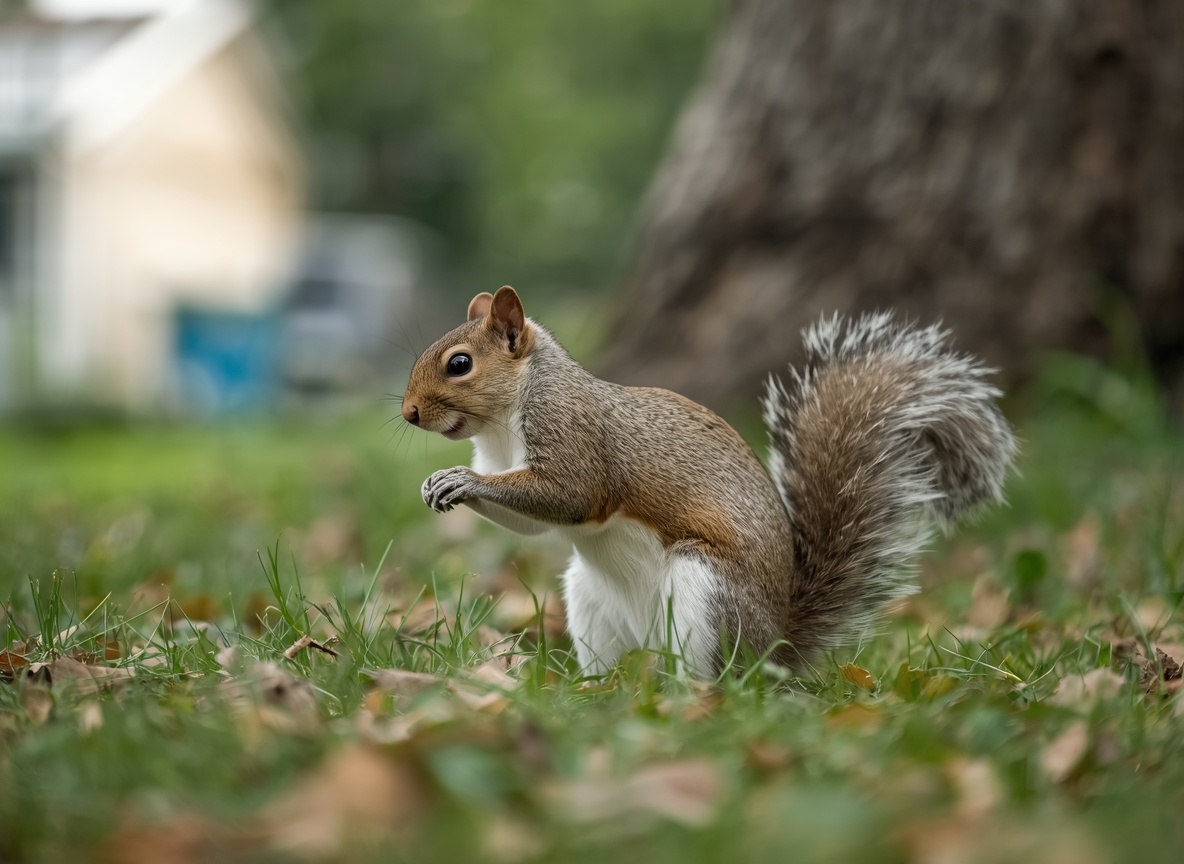
Dead Squirrel Removal
The DNR counts three tree squirrels in Wisconsin, the gray, the fox and the red. Gray females use attics among their nest sites, with litters born in March or April and again in July or August. One that dies up there can usually be reached from the hatch or the eaves. Live young left in the nest change the job, and so does a flying squirrel, which the state protects.
Read the page →
Dead Bird Removal
Birds nest wherever a house leaves a gap, such as a chimney top, a vent hood or a loose soffit board, and one that dies in there is an operator's job. Starlings and house sparrows, both vent and soffit nesters, are unprotected under the DNR's nuisance guidelines. The DNR says bird flu still kills small numbers of Wisconsin's wild birds each year, and its wildlife-health page says to move any carcass wearing gloves or through an inverted plastic bag, not with bare hands.
Read the page →Start from the place, not the animal
Plenty of these calls begin with a smell in one room and nothing visible anywhere. Pick by where it is instead: out on the lot, inside a wall, or the cost question that sits behind both.
Dead Animal in Yard Removal
Once it is past the sidewalk line, no agency we reviewed publishes a pickup, and several cities put that in writing. A small carcass, bagged, may be allowed in the cart depending on the city. A deer, or anything out of reach, needs an operator, and the number comes back on the call.
Read the page →Dead Animal in a Wall
Worth reading before you call anyone. The phrase covers two problems, and a removal can honestly be sold for only one of them. Which one you have decides everything after that, and through a Wisconsin winter the other runs on a clock of its own.
Read the page →Dead Animal Removal Cost
This page does not hand you a number. It sets out what drives one, which situations an agency already covers so that nobody should be quoting you at all, and why a printed range here would only be a guess. The dollar figures Wisconsin does publish around this subject are statutory penalties, landfill tipping fees and shelter cremation charges, and not one of them is the cost of having an animal taken away.
Read the page →What does not change from call to call
Priced on the line
Nobody prices this from a photo or a page. The number is built from what you describe while you are on the line.
Jurisdiction before anything else
On a public road, what you get is the office that maintains that road, or 911 if it is in the traveled portion of a highway. The call ends there, and it is supposed to.
The work is somebody else's
An independent operator takes the job on their own account, with their own insurance, permits and disposal route. This site carries advertising and puts the call through. It checks nobody's paperwork, and says so rather than letting you assume otherwise.
Coverage checked by ZIP
Calls route by ZIP where an operator covers the address. Whether anyone can take your address is a question for the call, and the answer may be no.
Every claim names its source
The manual, the ordinance or the agency page a statement comes from is named beside it, so you can open it and check the wording yourself.
No saw goes into a finished wall
Reached from the attic above or the basement below, a carcass in a stud bay is a job. Sealed behind finished drywall it is a timeline, and a cold exterior wall in February can stretch that. You hear which one you have.
A reference for the state, with one line attached to it.
A raccoon dead under a deck, a deer down along a fence line, a smell working through an upstairs ceiling: no state agency stands behind any of those. Knowing it for certain saves a morning of being transferred, and the number below is what is left after that.
Wisconsin Dead Animal Removal sells advertising and routes calls. It removes nothing. The operator who takes a job does so on their own account, and the permits, the disposal route and the rabies-vector handling ride with them.
Which animal, and when it turns up
| Species | Peak season | Typical place | Rabies vector |
|---|---|---|---|
| Raccoon | Spring denning; late summer dispersal | Attic, chimney, garage, the space under a deck | Yes |
| White-tailed deer | October to December rut; the gun deer season in late November | Road edge, driveway, wooded lot, the edge of a marsh or parkway | No |
| Squirrel | Fall; late winter | Attic, soffit, wall void | No |
| Opossum | Year-round | Under a deck, crawl space | No |
| Skunk | Spring and early summer | Under a porch, under a shed, the road edge | Yes |
| Bat | Late summer | Attic, chimney, inside a room | Yes |
Sixteen cities, and what each one puts in writing
No two of them answer this the same way. Each page quotes whatever that city actually publishes, down to Green Bay, where nothing on the subject turned up on any city or county page we read. Private-property calls from any of them route by ZIP where an operator covers the address.
Milwaukee, WI
Milwaukee publishes a curb-scope service, not a private-property one. The Department of Neighborhood Services says dead animals, including road kill, are picked up by DPW Sanitation 'either at the curb, in street or wrapped in plastic and placed in cart', reported through the Unified Call Center at (414) 286-CITY (2489). DPW Sanitation's own Recycling Directory narrows that to 'animals in the public right of way', and city code section 79-2-5 requires the department to collect small dead animals found in the public right-of-way. Whether it is free is not published. The word free appears on none of the city pages reviewed, no fee is stated either, and chapter 79 lets the commissioner collect offensive waste such as carcasses without charge, refuse it, or collect it for a charge. MADACC handles domestic animals only and removes no dead animals. WisDOT's contractor clears deer from Interstate, US and state highway shoulders in Milwaukee County; county trunk highways are the county's, and Milwaukee County publishes no dead-animal service on the pages reviewed. A carcass on private property, in a yard, under a deck or inside a structure, is the owner's to arrange, and any private-property work in Milwaukee would be performed by an independent operator, if one is available for the address.
Milwaukee → Coverage confirmedSheboygan, WI
Sheboygan's Department of Public Works says that 'In most cases, the City can pick up dead animals,' only during regular business hours, and its disposal guide scopes that to 'animals in the public right-of-way.' Neither page names a fee, so the table lists the pickup as a city service with no published fee. The city, Sheboygan County and the Humane Society of Sheboygan County publish nothing about collecting a carcass from a yard, a crawl space or a wall, and the humane society says it does not accept wildlife.
Sheboygan → Coverage confirmedFond du Lac, WI
The City of Fond du Lac publishes no dead-animal pickup in any form, with no web page, no service-request category and no phone line for one. WisDOT's Car-Killed Deer page tells drivers to contact the municipality about a local road, and Fond du Lac's street crews sit in Public Works at 530 Doty Street (920-322-3540), which names no fee, scope or crew for an animal. Deer beside I-41, US 151, US 45 or WIS 23 are reported to the Fond du Lac County Sheriff's Office non-emergency number, (920) 929-3390, and a county trunk highway belongs to the Fond du Lac County Highway Department, (920) 929-3485, whose pages never mention carcasses. On private ground, the city's nuisance code makes an unburied carcass the property's problem.
Fond du Lac → Coverage confirmedWest Bend, WI
West Bend publishes no dead-animal pickup. Public Works maintains the city's streets and alleys and answers at (262) 335-5079 on weekdays, but none of its pages names a carcass service, a fee or a reporting form, so a West Bend street report means asking Public Works directly. Washington County runs the one written deer program nearby, taking reports of vehicle-killed deer on county and state highways at its Highway Department and contracting out the pickup. Neither the county nor the city states a price, and neither calls the service free. Off the road, no city, county or DNR page offers collection.
West Bend → Coverage confirmedPort Washington, WI
Port Washington publishes no dead-animal service, so there is no fee to look up and no free pickup to count on. The Street Division's page lists streets, alleys, sewers, signals, brush, leaves and snow; the Request For Service form offers no animal category; and the city's trash pages never mention a carcass. WisDOT sends a deer on a local road to the municipality, which leaves the Street Division at 262-284-5585, or the form's 'Other' box, as the place a city-street report goes, with no scope, charge or timing written down. On I-43 and the state highways, WisDOT's contractor clears the shoulder once the Ozaukee County Sheriff's Office has the location. The county letter routes belong to the county highway department, which publishes nothing on carcasses. A yard, deck or crawl space sits outside all of those channels.
Port Washington → Coverage confirmedBeaver Dam, WI
None of Beaver Dam's pages describes a dead-animal pickup, which leaves no fee to check and no free service to request. The Public Works page lists street repair, plowing, street lighting, traffic signals, the waste and recycling programs and stormwater, and the city's Report a Concern form sorts reports into categories such as 'Animal Complaint', 'Parks and Public Property' and 'Street, Curb and Right-of-Way', with nothing labeled for a carcass. Dodge County's highway page says maintaining streets inside a city falls to that city, which sends a carcass on a Beaver Dam street to Public Works at 920-887-4635. US 151, WIS 33 and the county letter routes have a separate report route through the county highway department and the sheriff.
Beaver Dam → Coverage confirmedWaukesha, WI
Waukesha has one published city channel and it is built for city ground. The City of Waukesha Citizen Request Portal lists Dead Animal as a Public Works request, and the Public Works number is 1-262-524-3600. County letter routes belong to Waukesha County Highway Operations at 262-548-7736, whose FAQ says it cannot remove a deer from private property. Numbered state highways fall to WisDOT's contractor program, reported through the sheriff's non-emergency line at 262-446-5070, with 911 for a carcass in the lane. None of these pages covers a yard, a pond bank or a wall, so private property is the owner's to arrange.
Waukesha → Resource pageMadison, WI
Madison publishes no price for its pickup and no private-property service. City of Madison Engineering will pick up a dead animal from a city street or from the terrace in front of your property after 3 PM on weekdays, reported through Report a Problem or 608-266-4430, but its page never uses the word free and names no price. The same page says City crews cannot go onto private property and lists hiring a private company as one of three options, alongside moving the animal to the terrace or placing it in your trash container. Car-killed deer on local streets go to a separate City form and a WDNR contractor with a three-day window. Interstates, US and state highways in Dane County are WisDOT's car-killed-deer contractor, reported through 911 in the lane or the Dane County Sheriff otherwise, and the Dane County Highway and Transportation site publishes nothing about dead animals at all. A carcass in a yard, under a deck or in an attic is the owner's to arrange, and an independent operator would do that work if one is available for the address.
Madison → Resource pageGreen Bay, WI
No Green Bay or Brown County page publishes a dead-animal pickup, free or paid, for any property class. On September 15, 2026 we reviewed the city's Animal Control, Public Works, Garbage, Street & Sign Maintenance, Bulk Household Items, Public Works FAQs and Parks pages, the GB Services request portal (17 categories, none for a dead animal) and the 2026 DPW Information Guide, plus the Brown County Highway, Sheriff and Resource Recovery pages, and found no service, no fee and no curb rule. What is published is the road split for deer carcasses in WisDOT's Highway Maintenance Manual 07-15-01: city streets are the city's, county trunk highways are the county's, and Interstates, US and state highways are cleared on the shoulder by WisDOT's Car-Killed Deer contractor. Green Bay Animal Control refers wild-animal callers to a wildlife removal service or pest control, and the DNR says a municipal pickup request for a dead deer on private land is not guaranteed. A carcass on private property is the owner's to arrange, and any private-property work would be performed by an independent operator, if one is available for the address.
Green Bay → Resource pageKenosha, WI
Kenosha publishes one dead-animal service, and it is a street service. The Public Works Street Division takes reports of animal carcasses and road kill as street debris at 262-653-4070, weekdays 7 a.m. to 3 p.m., and its page names no charge. Nothing on the Transportation page, the Waste & Recycling Collection and Drop Off pages, Kenosha Police Department Policy 3.1, or Kenosha County's Highways, Public Works and FAQ pages covers a carcass on private property, so a yard, deck or garage job is the owner's to arrange. Whether that costs anything depends on whether the owner does it (DNR's bury-or-double-bag route) or hires an independent operator, whose price is quoted on the call.
Kenosha → Resource pageRacine, WI
Racine publishes one removal referral and it stops at the roadway: the Public Health Department's animals page sends an animal "domestic or wild, killed on the roadway" to City Customer Service at (262) 636-9171, weekdays 8:00 AM to 4:30 PM, and no page says whether that pickup is free or which crew does it. For a carcass anywhere else the same page tells the resident to handle it with a shovel and gloves, bag it and put it in the solid waste container. Racine County Public Works publishes no dead-animal policy at all, DNR says it does not have the resources to remove dead animals, and WisDOT's contractor takes deer on state highway shoulders only. Nothing published covers a yard, deck, crawl space or wall, so that job is the owner's to arrange. An independent operator would take it on where one covers the address, provided a carcass in a wall can be reached without cutting into the finished side.
Racine → Resource pageAppleton, WI
Appleton's only dead-animal service sits in the municipal code, not on a web page. Sec. 15-33(i) commits the Department of Public Works to collect 'small dead animals' that the resident has already 'placed in a disposable bag,' inside the weekly curbside collection article, and the cost of that collection is billed to the property as a solid waste special charge under Sec. 15-37, and the code states no separate charge for a bagged animal. Nothing repeats the service on the Public Works FAQ, the Garbage page, the 2025-2026 Public Works Guide, the Public Works concern form or the city site search for 'dead animal.' Sec. 12-28(2) makes a carcass not buried or otherwise sanitarily disposed of within 24 hours a public health nuisance. WisDOT's contractor takes deer on the shoulders of I-41, US 10, WIS 441 and the other state highways once the Outagamie County Sheriff's Department has the report; the county owns its lettered trunk highways; city streets are Appleton's with no published channel. Nothing published covers a deer, an animal too large to bag, or a carcass under a deck, in a wall or in an attic. That work would be performed by an independent operator, where one covers the address, and inside a wall only where the carcass can be reached without cutting the finished surface.
Appleton → Resource pageOshkosh, WI
Oshkosh publishes one dead-animal service and it stops at the terrace. The Sanitation Division's Animal Remains Removal Request covers 'animal remains in public areas, road ways, terrace, etc.', and the police FAQ sends a dead animal in the roadway or terrace to the Street Department at (920) 236-5380. Neither page states a fee, so the service is listed here as a city service rather than a free one. No city, county or humane-society page covers a carcass on private property, and the police page says the department will not remove wild animals from residences, so a yard or deck job, or a carcass in a wall that can be reached without cutting, is the owner's to arrange.
Oshkosh → Resource pageEau Claire, WI
Eau Claire publishes exactly one private-property answer and it is for deer: call Community Services at 715-839-4963 and the City retrieves the deer if it is on the boulevard; a deer that dies in the yard goes on a plastic tarp and is dragged to the boulevard, because the City will not go onto the property. The page never says whether that pickup is free, and it covers no other species. A carcass in a street or the right-of-way is a SeeClickFix Streets request. For a dead raccoon, skunk, squirrel or pet on private property, the city, the county and ECCHA publish nothing on the pages reviewed (Animal Control and its nine FAQs, Street | Fleet, Community Services, Trash Hauling, SeeClickFix, Parks & Trails, the full city FAQ base, the Title 6, 8 and 13 ordinances, the County Highway page and FAQs, County Solid Waste, and all 37 eccha.org pages), so that job is the owner's to arrange.
Eau Claire → Resource pageLa Crosse, WI
La Crosse publishes no dead-animal pickup for private property, free or paid, and the word 'free' appears on none of the pages reviewed. The City's only instruction is an archived 311 Knowledge Base entry (the live page returned a 404 on September 15, 2026): small deceased wildlife is bagged into the resident's own garbage cart, wildlife on a city roadway is reported to the Street Department at (608) 789-7340, a carcass on a county highway goes to the County Highway Shop at (608) 786-3810, and a dog or cat found deceased on the street goes to Police Animal Control through dispatch at (608) 782-7575. The live pages reviewed, the 311 Report an Issue catalog, the Street Department Operations page, both Police Animal Control pages, the Refuse and Recycling Garbage Collection page, the City Sitemap, the La Crosse County Highway page and the County Solid Waste pages, carry no dead-animal service at all. On Interstates, US and state highways WisDOT's Car-Killed Deer contractor clears deer from the shoulder as a state service. A carcass in a yard, under a deck or inside a building is the property owner's to arrange, and an independent operator would do that work if one is available for the address.
La Crosse → Resource pageJanesville, WI
Janesville publishes a street channel, a cart ban and a deer drop-off, and nothing for private property. The City's Animal and Pet Ordinances page sends removal of dead animals on public property to City Services at (608) 755-3110, and its Online Service Requests system carries a "Dead Animal in the Street" request. The Trash & Recycling Collection page bans "Dead Animals" from both the blue-lid trash cart and the gray-lid recycling cart. The City's Sanitary Landfill at 525 Black Bridge Road accepts deer carcasses from Rock County residents from September through January, kept separate from other waste. No fee, species list or response time is published for the street request, and none of the City pages read says a crew will enter private property. Rock County's Public Works Highway Division page publishes contact details and no carcass policy. On Interstates, US and state highways WisDOT's Car-Killed Deer contractor clears deer from the shoulder as a state service, reported through the Rock County Sheriff at (608) 757-2244. A carcass in a yard, under a deck or inside a building is the property owner's to arrange, and an independent operator would do that work if one is available for the address.
Janesville →What people ask on the first call
Who actually shows up if I call this number?
Does an operator cover my county?
How do I tell whether this one is mine to deal with?
Can I get a ballpark figure before I call?
Something dead on ground you own?
Call (414) 519-6688. The first question is whether an agency already owns it. If it is yours, the next two, whether an operator can take your address and what it would cost, are settled on the same call.
Five answers the state leaves scattered
Who picks up dead animals in Wisconsin?
WisDOT's carcass manual, the county and municipal split, 911 versus the sheriff, and nine cities' own wording.
Read the guide → The 24-hour mythHow to dispose of a dead animal in Wisconsin
What § 95.50 actually covers, what DNR says a homeowner may do, and what your city allows in the cart.
What the cart takes → DeerDead deer: road, yard, car-killed deer and CWD
Who clears the highway, who may keep a car-killed deer and how to register it first, and what DNR recommends for the carcass.
Road, yard and CWD → PetsA dog or a cat, city by city
Your own pet or an unknown animal, city by city, and what the livestock statute does and does not say about a pet.
Dog or cat → SmellA smell and nothing to see
Where the search starts in an older house here, what is reachable and what is sealed, and the part no one can put a date on.
Find the source →