
Dead Opossum Removal in Wisconsin
Private-property removal · Phone quote before any visit · Independent operators where one covers your address.
Dead opossum removal in Wisconsin is mostly a job in three places: under a porch or deck, under a shed, and inside a crawl space. The DNR lists porches and the space under buildings among the places an opossum hides by day. On private ground the removal is the owner's to arrange, and the call settles whether any independent operator can take that address.
Who handles dead opossum removal in Wisconsin?
Road class answers this until the pavement ends. On the shoulder of an Interstate, US or state highway, WisDOT maintenance, which the manual leaves to landfill a small animal, bury it or move it into thick roadside vegetation on no published timeline; in the traveled lane, 911. On a county trunk highway, the county highway department. On a city street, the city, under its own policy. The state writes that county and city split down for deer; for a smaller animal each agency sets its own scope, and most of the county departments checked for this site publish none. On private property, the owner. Past that property line no Wisconsin agency takes the removal on, so Wisconsin Dead Animal Removal routes the call by ZIP to an independent operator where one covers the address, and whether this situation can be taken on, and the price, are settled on the call. Call (414) 519-6688.
What dead opossum removal covers, and what it does not
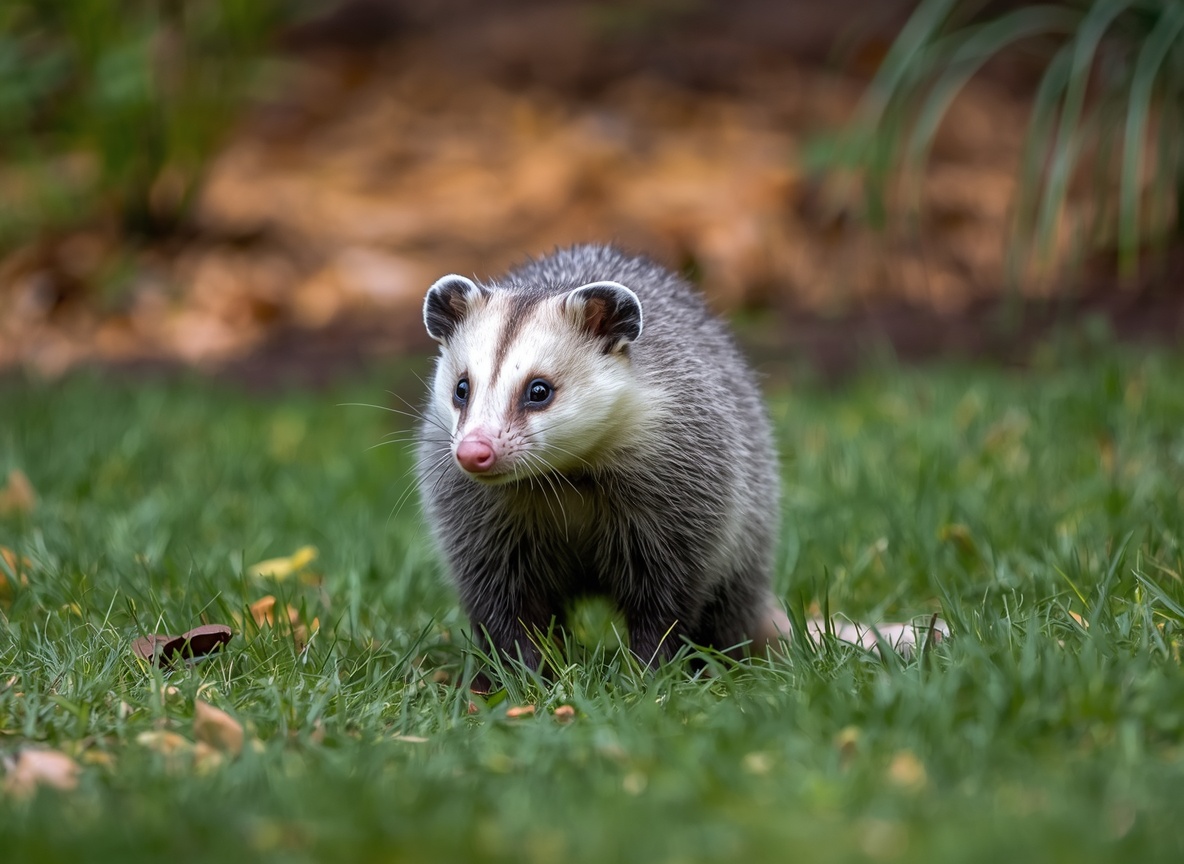
A dead opossum is usually lying in the cover it slept in by day, behind deck skirting, under a shed floor or deep in a crawl space. The DNR says the species thins out in northern Wisconsin, where winters are harsher. DHS names bats and skunks as the state's primary rabies reservoirs, yet its bite flowchart files an opossum beside the fox and the raccoon, so a bite goes to the health department first.
Removal is carried out by independent operators. Their permits, their insurance and their answer for how the carcass is disposed of are their own, and none of it is checked or vouched for here. This site sells advertising and puts the call through. What any one operator will take on comes out in that conversation, not here.
Whose job is a dead opossum in Wisconsin?
Road class decides it, and that split is one of the few pieces of this subject the state writes down. WisDOT's Highway Maintenance Manual 07-15-01 puts it in one sentence: "Counties are responsible for removing deer carcasses on county highways. Towns, villages and cities are responsible for removing deer carcasses on their local roads." That sentence is about deer. The roads do not change for a smaller animal, but no state instrument assigns the pickup, and each agency is left to whatever scope it publishes for itself. The state system itself runs on car-killed deer contracts, which cover less than the name suggests, and no Wisconsin statute pushes any of this onto a homeowner's yard.
- Interstates, US and state highways: the WisDOT contract requires its car-killed deer vendor to clear a deer from the shoulder and right-of-way no later than two business days after a report, and the manual does not require pickup on weekends or holidays. A deer in the traveled lane is outside the contract: call 911. Off the lane, WisDOT sends the report to the county sheriff's non-emergency line and publishes no carcass number of its own. Everything else on the same road is outside that contract: "The remains of small animals are not the responsibility of WisDOT CKD contractors," and the manual leaves maintenance to landfill them, bury them or move them into thick roadside vegetation, on no published timeline.
- County trunk highways (the lettered routes): the county, under the same WisDOT allocation, which is written for deer. The county highway departments checked for this site publish nothing at all about other species, and the one that publishes a deer policy, Eau Claire County, removes a carcass only when it is a hazard and otherwise moves it to the ditch. WisDOT lists a highway commissioner for all 72 counties.
- City streets: the city, under whatever it publishes. Milwaukee takes reports at (414) 286-CITY (2489); Madison through Report a Problem or 608-266-4430; Kenosha's Street Division at 262-653-4070; Racine's Customer Service at 262-636-9171. Each city page quotes its own wording.
- Your own ground, from the side lot to the crawl space: yours to arrange, whether it is behind a Milwaukee bungalow, under a deck, in a garage or beneath a Madison ranch. Wisconsin DNR's guidance for a dead wild animal is to bury it on your property or double-bag it into the trash; § 95.50's disposal deadline covers livestock and domestic animals, not wildlife. That private-property case is what this site exists for.
The agency-by-agency breakdown, with the quotes, is in the guide to who picks up dead animals in Wisconsin.
A dead opossum removal call, start to finish
- Make sure it is dead. An opossum playing dead gets up and wanders off once the yard goes quiet; a dead one stiffens, draws flies and starts to smell. Keep the dog inside.
- Settle whose ground it is on. On a city street or the terrace it is the city's, where the city publishes a service; under your porch, in the garage or in the crawl space, it is yours.
- If it bit or scratched anyone, phone the local health department before anything is bagged; it may want the body tested. If a pet had it in its mouth, ask your veterinarian whether the health department should hear about it.
- On the call, describe the spot and the way in: deck skirting, a shed floor, a crawl-space hatch and the headroom behind it. Mention any young you saw on its back or in the pouch.
- The operator bags the opossum and handles the disposal end. Soil or vapor barrier the body soaked into leaves with it only where the quote includes that work.
Who sets the price for a dead opossum removal
Whoever takes the job puts a number on it during the call, once they know what died, where it sits, what it will take to reach it and what has to happen to it afterward. Nothing is printed here, because no operator's rates in this state have been checked, and a number invented to fill the gap would commit somebody else to it.
The quote comes on the call; the invoice comes from whoever does the work, not from this site.
What waiting costs you
Call early. Fluids move down into whatever the animal is lying on, and soil and insulation hold onto them, so every day it sits usually means more material leaves with the carcass than would have on the first one. One call comes before this one: if anybody in the house or a pet made contact with a raccoon, skunk, bat or fox, your local health department takes that question.
What callers ask about dead opossum removal
Could a dead opossum carry rabies in Wisconsin?
What if there are babies in the pouch?
It is still alive under my deck. Is that the same call?
Will my city pick up a dead opossum?
Can I bag a dead opossum and put it in the trash?
How can I tell it is an opossum and not a raccoon?
How much does dead opossum removal cost?
Statewide questions on law, safety and process are on the Wisconsin FAQ.
Dead Opossum Removal in Wisconsin: the rest happens on the phone
Describe it once. Whether an independent operator can take it on, and the price, are settled on that call.